
Hanh Hoang
Jan 10 2023 •4 minutes

E-commerce marketing is a method of driving traffic to the top of the funnel to convert into new sales and customers there are many ways to do e-commerce marketing.
From focusing on organic traffic and SEO to using Facebook or Google ads to drive targeted traffic, you can combine paid strategies with non-paid strategies to find out which marketing mix is likely to bring in the most conversions.
However, marketing campaigns are never static. As marketing tactics and market algorithms evolve, then your plan must also achieve the highest return on ad spend and operational costs associated with organic growth strategies like SEO.
In a constantly changing and increasingly competitive environment, you need a concerted effort to increase sales at your online store. A lack of determination is why many businesses fail to meet revenue targets. With U.S. retail e-commerce sales expected to reach $1.3 trillion by 2025, you do not want to miss the opportunity.
As you are laying the groundwork for your e-commerce future, include some of the following elements in your business plan to ensure that your methods and strategies are well thought out and will stand the test of time.
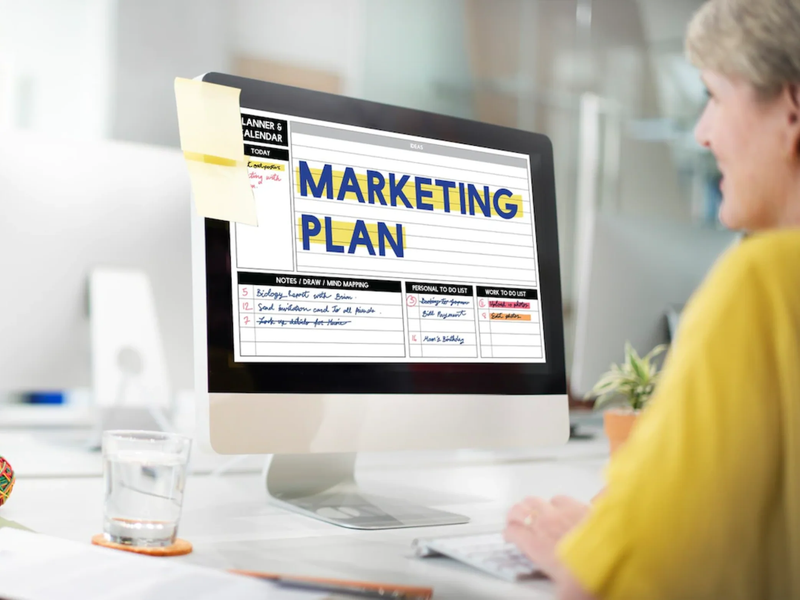
The project brief is important in an e-commerce marketing plan because it provides an overview of the project, which is easy to disseminate to leaders and decision-makers in the business.
The project summary should include all the key points in the plan, including the overall purpose, desired outcome, and project proposal.
Present goals and objectives clearly and specifically. When you start doing so, there is no shame in modifying your goals if they are too low or too high.
Finally, your main focus should be on creating realistic, achievable goals before setting long-term goals to motivate yourself or your team.
Get to know your customers well. If you do t have a good understanding of the audience you're targeting, the characteristics that define them, and their location, you will inevitably run campaigns that are ineffective and waste money, targeting unqualified and low-converting individuals.
Make sure you understand the following:
Do your research. Make sure the prices you offer are right and that you are offering real prices to your target audience and increase customer loyalty. Don't offer products that are too expensive, today it is easy for customers to compare prices and make their choice.
Even if you're starting small, you should have a good understanding of the delivery and order fulfillment requirements that will grow as your business grows.
Whether you're packing and shipping yourself, supervising a small team, or leveraging a third-party fulfillment service, you need to know whether your implementation process can meet your upcoming marketing push needs.
After you've written your plans, make sure to spend time adjusting, perfecting, and developing them over time.
By this point, you should have a clear understanding of the factors that define your business. If you're a small business or even an online retailer, this is the time to start laying the groundwork for future growth, and if you're already more reputable, here's how you accelerate growth trajectory your growth trajectory:
A sales funnel chart often shows the customer's path from Awareness to Interest to Desire and finally to Action.
Each stage in this process should include notes about the specific marketing strategies you will use to engage potential customers through that channel.
At the top of the channel, you ll see e-commerce brand awareness-building strategies that often do t generate immediate conversions like posting organic social content or programmatic image display ads. At the bottom, you'll see ads on Google's search network, Instagram retargeting ads, and direct email communications.
As a marketer, you'll want to consider the main purpose of every campaign strategy you use and the proper placement of that strategy within your funnel.
In your lead generation plan and sales funnel, there should be specific strategies at the end of the funnel designed to get customers to their destination. Implement these campaigns in advance to generate sales and build positive momentum.
Overall, conversion rates are among the most valuable stats for an e-commerce business, and understanding them is crucial to the long-term success of your business.
Before running the entire budget you have to market the product or service. Allocate part of the budget to test strategies. You will not know which campaigns and activities bring good results and which do not until you try it.
Depending on your budget, running some simple test cases in smaller markets can give you the base you need for increasing your budget and validating previous recommendations!
Read more:
Source: BigCommerce