Dieu Linh
Apr 16 2026 •10 minutes
Selling print-on-demand products is estimated as a great idea to make money online because sellers don't need to worry about manufacturing, warehouses, or in-stocks. All you need to take care of is defining target audiences, making creative designs, and promoting your products.
But...where is the best place to sell your print-on-demand products? Among many choices like Etsy, Amazon, and Redbubble, you will be confused about how to choose the best platform for print-on-demand products.
If you haven't found the best print on demand platforms for your business, the article today is made for you. You'll understand the main standards for choosing the best e-commerce marketplaces for your store. And with the most popular platforms, you'll get its overview, pros and cons when you promote your items on them.
Let's discover and find out the best one for you now!
In order to choose the best print on demand platforms, you need to understand the common standards to choose suitable platforms for selling print-on-demand products.
1- Target Audience
Firstly, you need to ask yourself who your target customers are. Choosing a suitable platform can help you to connect with customers who love your type of product. For example, Etsy is a great fit for artistic and handmade designs, while Amazon attracts a broader audience seeking convenience and variety.
2- Ease of Use
With e-commerce sellers, especially small businesses, intuitive interfaces, and easy listing processes can help save you time and effort considerably. Not only a simple place to promote products, the ideal platform needs to help you manage stores, and have an overview of analytics of orders, revenue, etc.
3- Marketing and SEO
Along with defining target audiences and user-friendly, an ideal platform to sell needs to help merchants easily conduct marketing strategies and SEO to optimize their product listings. With some platforms owning strong marketing support, you will have the ideal data to track performance, which can be the stable base to refine your strategies and captivate more customers.
4- Fee and Profit Margins
Every platform comes with costs, such as listing fees, transaction fees, or subscription charges. You need to understand what the platform provides and what your business needs to choose the suitable one that ensures your profits. Balancing costs and potential sales is critical for keeping and developing your business long-term.
5- Shipping and Fulfillment
Last but not least, the seamless integration between the platform and your POD provider is essential for a great platform. Choosing a platform where you can easily integrate with your print-on-demand fulfillment service as well as streamline order processing and shipping is quite important with POD stores. The smooth fulfillment processes not only save you time but also keep your customers happy with fast, reliable delivery.
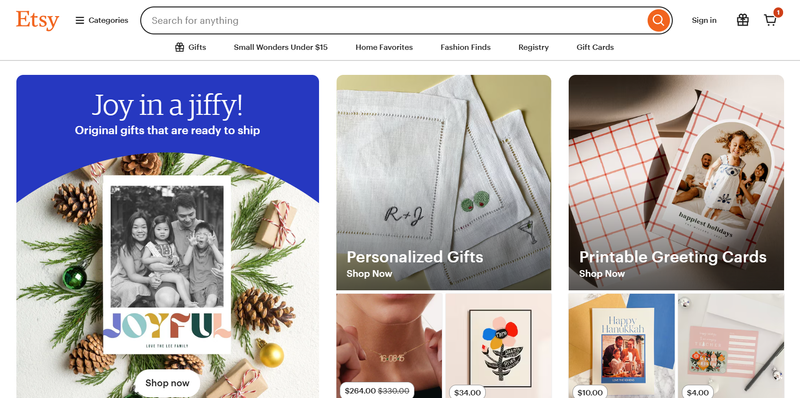
Etsy is a globally recognized marketplace tailored for handmade, vintage, and custom products. With its strong focus on creativity and personalization, it’s one of the best print-on-demand marketplaces for sellers offering unique and artistic designs like personalized mugs, wall art, or custom apparel. Etsy attracts a highly engaged audience that actively seeks one-of-a-kind products.
Pros:
Cons:
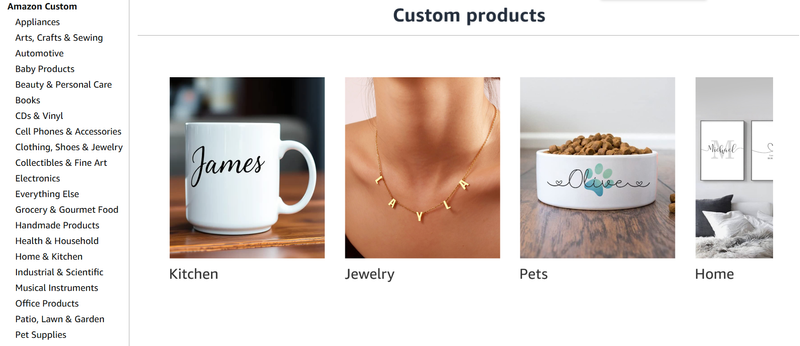
Amazon is known as one of the largest e-commerce platforms in the world. Don't think that this platform is only suitable for merchants who provide mass-produced items. Recently, with Amazon Custom, this marketplace has also been evaluated as the best print-on-demand platform.
Pros:
Cons
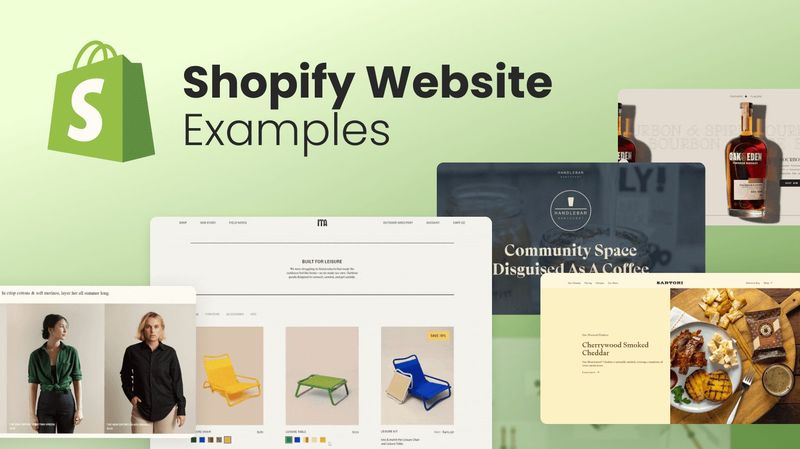
Shopify is well-known as a powerful platform for sellers who love customizing their online stores. Unlike marketplaces like Etsy or Amazon, merchants will have total rights to customize their branding, customer experience, and marketing. In order to optimize your e-commerce website on this platform, you can integrate with many apps, including both store design and fulfillment providers.
Pros
Cons
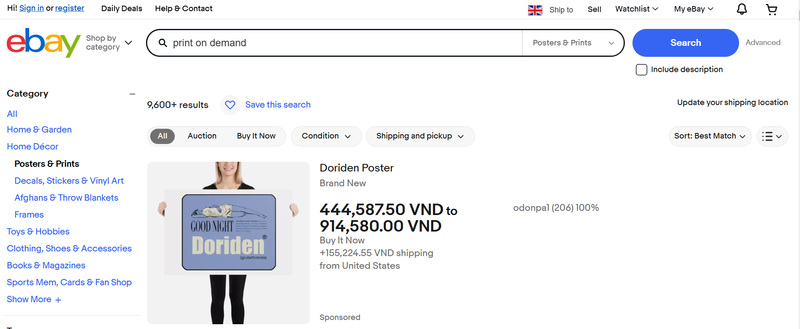
eBay is also known as a global marketplace where shoppers can find everything from collectibles to custom products. For print-on-demand sellers, this is appreciated as a potential market to promote one-of-a-kind items to more audiences.
Pros
Cons:
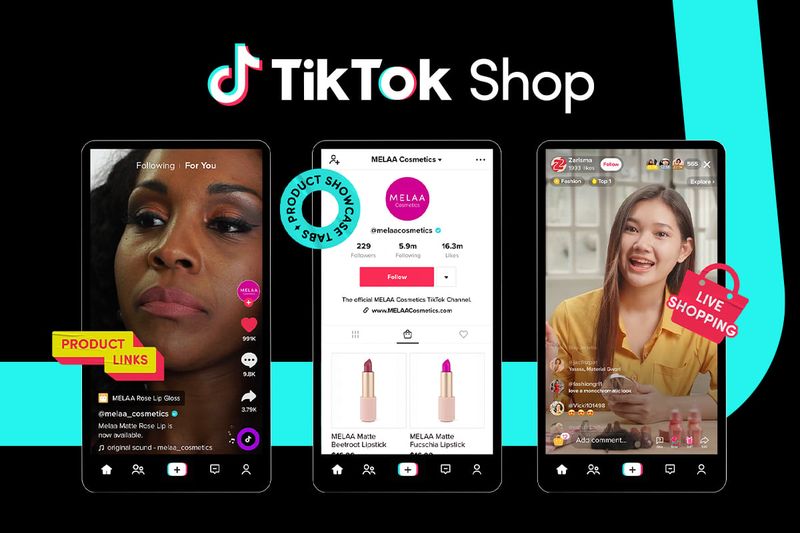
TikTok Shop is an e-commerce feature integrated with the TikTok app, allowing creators and merchants to engage audiences and sell directly on this platform. Despite a new marketplace with print-on-demand merchants, this is still recognized as a gold mine to help sellers skyrocket revenue. In particular, creators and merchants can utilize viral trends of short and entertaining videos to boost visibility and sales.
Pros:
Cons:
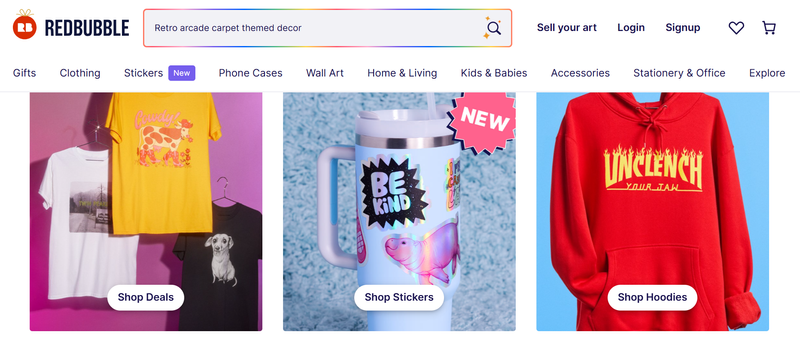
Redbubble is a print-on-demand marketplace where artists and creators can upload their designs to sell a wide variety of products. This platform is an ideal choice for sellers looking to reach shoppers who value unique, creative, and often personalized items. Additionally, Redbubble specializes in clothing and accessories, making it an excellent option for artists focusing on wearable art.
Pros:
Cons:
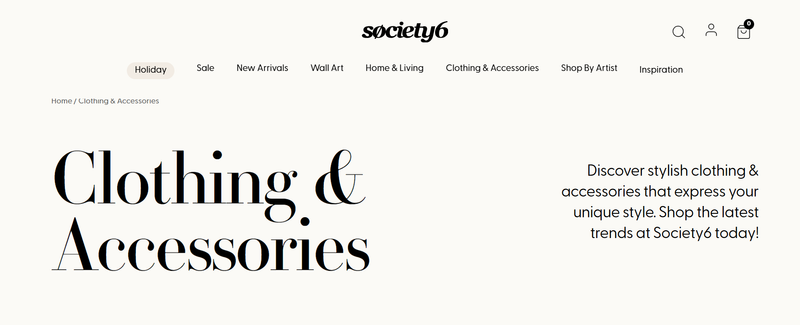
Similar to Redbubble, Society6 is designed for artists and designers to showcase their work. Shoppers on this platform tend to appreciate unique and personalized designs. Unlike Redbubble, however, Society6 offers a wider range of product types for merchants to apply their designs, including apparel, accessories, and home decor.
Pros
Cons
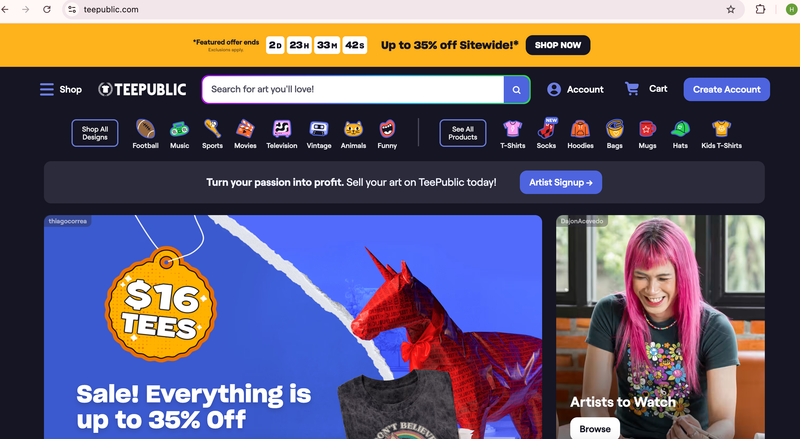
TeePublic is a print on demand platform that lets independent artists and sellers upload designs and create store pages directly on the site. Unlike basic fulfillment services, TeePublic is a true print on demand marketplace with built-in traffic, search features, and royalty-based earnings, enabling designers to reach customers without building an external website. For many artists, TeePublic is a free print on demand platform since signing up and listing designs doesn’t require a subscription. You'll earn royalties each time a product is sold.
Pros:
Cons:
TeePublic is great for designers who want quick visibility without building a full ecommerce site.
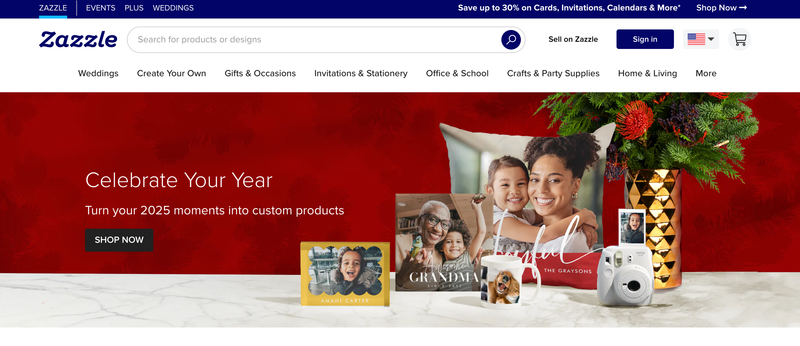
Zazzle is another best print on demand platform that enables sellers to create custom storefronts and product designs across a wide variety of product types, from shirts and mugs to stationery and accessories. With Zazzle, you can launch a store with no upfront cost, making it a free print on demand platform ideal for testing ideas and earning passive income. It is also considered a global print on demand platform since creators in many countries can register and sell products internationally.
Pros:
Cons:
Zazzle works well for sellers who want flexibility in product types and pricing while leveraging a marketplace audience.
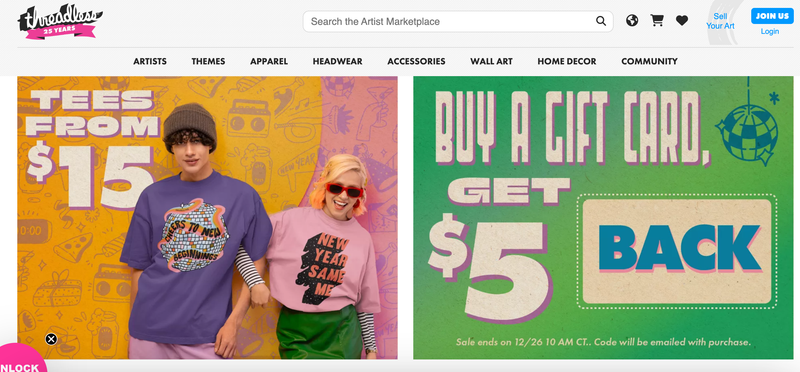
Threadless is a community-oriented print on demand platform where designers can submit artwork and open artist shops to sell T-shirts, prints, and accessories. It focuses on artist engagement, often running design challenges and features, which can boost visibility for creators. While sales success still depends on product appeal and marketing, Threadless functions as a print on demand marketplace allowing sellers to create their own store pages and earn a share of every sale - no monthly fees required to start, positioning it as a free print on demand platform for independent creators.
Pros:
Cons:
Threadless is ideal for artists who want community support and promotional opportunities beyond simple sales.
Selecting the best print-on-demand platforms is one of the key factors to reaching your target audience and growing your business. Each platform, from Etsy and Amazon to Shopify and TikTok Shop, offers unique benefits and challenges.
Consider your niche, audience, and goals before choosing the platforms to run your business. If possible, don’t hesitate to diversify across multiple platforms to maximize your reach. With the right strategy, you can showcase your creativity, connect with the right customers, and turn your designs into a successful venture.
The best print on demand platform in 2026 depends on how you plan to sell. For creators who want fast exposure, marketplaces with built-in traffic perform best. For long-term growth, the print on demand best platform is one that offers storefront control, global reach, and scalable selling tools.
The best print on demand platforms for beginners is usually a free print on demand platform with an easy store setup and no upfront costs. Platforms that provide built-in audiences, simple design uploads, and automated order handling allow new sellers to start selling quickly without technical or ecommerce experience.
When choosing a print on demand platform, focus on ease of use, marketplace traffic, product range, pricing transparency, and global selling capabilities. A strong print on demand platform should let you create a storefront easily, reach international customers, and support long-term brand growth.