
Home BlogNew Seller HandbookWhat Is Fulfillment? Complete Guide to Ecommerce Fulfillment Process
New Seller Handbook

What Is Fulfillment? Complete Guide to Ecommerce Fulfillment Process

author_blog

Hanh Hoang

Feb 25 2026 11 minutes

What Is Fulfillment? Complete Guide to Ecommerce Fulfillment Process
Table of Contents

Fulfillment is the complete process of receiving, processing, packing, and delivering customer orders. In ecommerce, fulfillment plays a critical role in inventory management, shipping efficiency, and customer satisfaction.

Whether you are a startup, ecommerce seller, or scaling brand, understanding what is fulfillment and how the order fulfillment process works can significantly impact delivery speed, operational costs, and customer experience.

What Is Fulfillment in Ecommerce?

what is fulfillment

In today’s competitive digital marketplace, understanding what is fulfillment in ecommerce is essential for any online business aiming to scale efficiently. Ecommerce fulfillment is more than just sending a package. It is a structured operational system that connects inventory, order management, logistics, and customer experience into one seamless workflow. From the moment stock arrives at a facility to the point a customer receives their order (and even returns it), fulfillment plays a central role in supply chain performance and brand reliability.

To fully understand how ecommerce fulfillment works, let’s break down its definition, scope, and how it differs from simple shipping.

Fulfillment meaning in business

In business, fulfillment refers to the complete process of receiving, processing, and delivering customer orders. In the context of ecommerce fulfillment, it includes every operational step required to move a product from inventory storage to the customer’s doorstep. It is a core component of supply chain fulfillment, ensuring that products are stored properly, orders are handled accurately, and deliveries are made efficiently.

Many businesses choose to manage fulfillment internally, while others outsource to professional fulfillment services or third-party logistics (3PL) providers to streamline operations and reduce costs.

Fulfillment vs Shipping (Short Comparison)

Although often used interchangeably, fulfillment and shipping are not the same.

  • Fulfillment is the entire end-to-end process that includes inventory management, order processing, picking, packing, shipping, and returns.
  • Shipping is only one step within the fulfillment process, referring specifically to transporting the product from the warehouse to the customer.

In simple terms, shipping is a component of fulfillment, but fulfillment encompasses the entire operational workflow behind successful order delivery.

Why Fulfillment Matters for Online Businesses

The importance of fulfillment in ecommerce directly affects growth, customer trust, and long-term profitability. Strong fulfillment operations are not just logistical support - they are a competitive advantage.

Here’s why fulfillment matters:

  • Customer Satisfaction Accurate picking, secure packing, and on-time delivery improve the overall fulfillment customer experience, leading to positive reviews and repeat purchases.
  • Faster Delivery Expectations Today’s buyers expect quick shipping. Efficient operations provide clear fast delivery fulfillment benefits, including higher conversions and lower cart abandonment.
  • Competitive Advantage Reliable ecommerce fulfillment helps smaller brands compete with larger marketplaces by offering speed and consistency.
  • Brand Reputation On-time deliveries and smooth returns build trust, while delays and errors damage credibility quickly.
  • Reduced Operational Workload Outsourced fulfillment services or optimized in-house systems allow businesses to focus on marketing and growth instead of daily logistics tasks.

How does the Order Fulfillment process work?

How does the Order Fulfillment process work?

Fulfillment is a multi-step process that ensures orders are handled accurately and delivered on time. A standard ecommerce fulfillment workflow typically includes:

  • Receiving Inventory Products are delivered from manufacturers or suppliers to a warehouse or fulfillment center. Inventory is inspected, counted, and entered into the inventory management system to ensure accurate stock tracking.
  • Storing Products Items are organized and stored strategically within the warehouse. Efficient storage systems help speed up order processing and reduce picking errors, which is critical for high-volume ecommerce businesses.
  • Processing Orders Once a customer places an order, the system verifies payment details and sends the order information to the warehouse. Automated systems often prioritize orders based on shipping speed or destination.
  • Picking and Packing Warehouse staff (or automation systems) locate the purchased items and prepare them for shipment. This step includes protective packaging, labeling, and sometimes adding branding materials or promotional inserts.
  • Shipping and Delivery Orders are handed over to shipping carriers for transportation. Tracking information is generated and shared with customers to provide transparency and improve customer satisfaction.
  • Returns (Reverse Logistics) If a customer returns a product, the fulfillment provider manages inspection, restocking, disposal, or exchange processing. This stage, known as reverse logistics, is an important part of modern ecommerce fulfillment operations.

04 Types of Fulfillment Service you need to know

Businesses can choose different fulfillment models depending on their size, budget, sales channels, and growth stage. Below are the most common types of fulfillment services used in ecommerce today.

In-house Fulfillment

In-house Fulfillment


In-house Fulfillment, also known as Self-Fulfillment, is a form in which businesses manage their goods, and warehouses, and pack and ship orders to customers. The advantage of this form is that the seller or business does not need to depend on a 3rd party, they can actively control order status, and inventory or manage goods more easily. However, the disadvantage of this form is that it is easy to encounter problems in the management stage, causing loss of goods, and not controlling the number of goods due to the lack of a strict and professional working structure.

The self-fulfillment form is suitable for 2 types of businesses:

  • Enterprises are large-scale, with a lot of capital, can hire warehouses, and workers, and have modern tools to support the process of management, packaging, and transportation.
  • Small businesses and warehouses do not have many products, only have a few orders, and can manage their inventory

Managing operations internally: The business stores products in its own warehouse, office, or storage space and handles receiving inventory, picking, packing, and shipping.

Pros:

  • Full control over inventory and packaging
  • Direct oversight of quality control
  • Strong brand customization opportunities

Cons:

  • Time-consuming and labor-intensive
  • Requires warehouse space and staff
  • Difficult to scale during peak seasons

Best for: Small businesses, startups, or brands with low order volume that want tight operational control and lower upfront outsourcing costs.

Outsource Order fulfillment - Third-Party Fulfillment (3PL)

Outsource Order fulfillment


Third-party fulfillment, also known as 3PL fulfillment, involves outsourcing logistics operations to a specialized provider.

  • Outsourcing to fulfillment providers: With third party fulfillment, businesses send inventory to a fulfillment center, where the provider handles storage, picking, packing, and shipping.
  • Warehouse + shipping handled externally: These outsourced fulfillment services manage logistics infrastructure, shipping carrier relationships, and often returns processing.
  • Cost efficiency for scaling brands: 3PL fulfillment reduces operational workload, improves shipping speed, and allows businesses to scale without investing in their own warehouse or logistics team.

This model is ideal for growing ecommerce brands that need professional logistics support and predictable fulfillment costs.

Dropshipping

Dropshipping

Dropshipping fulfillment eliminates the need to hold inventory.

  • No inventory holding: The seller does not stock products. Instead, orders are forwarded to a supplier after purchase.
  • Supplier ships directly to customer: The supplier handles picking, packing, and shipping, reducing upfront investment and warehouse risk.

Dropshipping is suitable for beginners or product testers, but it often provides less control over quality, shipping speed, and customer experience.

Multi-Channel Fulfillment

Multi-channel fulfillment supports brands selling across multiple platforms while maintaining centralized operations.

  • Selling across Amazon, Shopify, Walmart: Businesses manage orders from different marketplaces and websites through one fulfillment system.
  • Unified inventory management: Multi-channel fulfillment ensures inventory synchronization across platforms, preventing overselling and improving operational efficiency.

This model is ideal for brands expanding into multiple sales channels while maintaining consistent delivery performance and inventory accuracy.

Fulfillment Center vs Warehouse – What’s the Difference?

Although many people use these terms interchangeably, a fulfillment center and a warehouse serve different purposes in the supply chain. Understanding the difference helps ecommerce businesses choose the right logistics solution based on speed, storage needs, and customer expectations.

What Is a Fulfillment Center?

A fulfillment center is a logistics facility specifically designed to process and ship customer orders quickly and efficiently.

  • Designed for fast order processing: Unlike traditional storage facilities, a fulfillment center operates with high inventory turnover. Its core function is picking, packing, and shipping products as soon as orders are placed.
  • Focus on ecommerce orders: Fulfillment centers specialize in ecommerce fulfillment, handling individual customer orders rather than bulk shipments. They often integrate with platforms like Amazon, Shopify, and Walmart to automate order processing.

In short, a fulfillment center is built for speed, accuracy, and direct-to-consumer delivery.

What Is a Warehouse?

A warehouse is primarily used for storing goods over a longer period before distribution.

  • Long-term storage: Warehouses are designed to hold inventory for weeks, months, or even years, depending on business needs.
  • Bulk inventory holding: Products are typically stored in large quantities and shipped in bulk to retailers, distributors, or fulfillment centers rather than directly to individual customers.

While a warehouse focuses on storage and inventory management, a fulfillment center focuses on rapid order processing and shipping. For ecommerce brands, especially those prioritizing fast delivery, a fulfillment center is often the more suitable option.

What are the advantages and disadvantages of order fulfillment?

What are the advantages and disadvantages of order fulfillment?

Any business service has its advantages and disadvantages, customers can find out more advantages and disadvantages of Fulfillment service right here!

Benefits of Using Fulfillment Services

Working with professional fulfillment services providers can significantly improve operational efficiency and customer satisfaction. As ecommerce competition increases, understanding the benefits of fulfillment helps businesses decide when outsourcing logistics becomes a strategic advantage rather than just an operational choice.

Cost Savings

One of the biggest benefits of fulfillment is cost efficiency, especially when partnering with experienced fulfillment services providers.

  • Lower shipping rates: Fulfillment services providers negotiate bulk shipping discounts with major carriers, allowing businesses to access lower rates than they could secure independently.
  • Reduced labor costs: Outsourcing eliminates the need to hire warehouse staff, manage packing teams, or invest in training and supervision. This reduces payroll expenses and operational complexity.

Scalability

As your business grows, fulfillment needs become more complex. Fulfillment services providers make scaling smoother and less risky.

  • Handle seasonal spikes: During peak seasons like holidays or promotional campaigns, fulfillment partners can manage sudden order surges without delays.
  • Global expansion support: Many fulfillment services providers operate multiple warehouses across regions or countries, enabling faster international shipping and easier market expansion.

Improved Customer Experience

A strong logistics system directly impacts brand reputation. Among the most important benefits of fulfillment is the ability to enhance the customer journey.

  • Faster delivery: Strategically located fulfillment centers shorten delivery times, meeting modern customer expectations for fast shipping.
  • Order accuracy: Professional processes and automation reduce picking and packing errors, resulting in fewer returns and higher customer satisfaction.

Overall, partnering with reliable fulfillment services providers allows businesses to lower costs, scale efficiently, and deliver a superior customer experience.

Disadvantages of fulfillment service

Using the fulfillment service sounds easy, however, this form also has some disadvantages such as:

  • Difficulty in calculating inventory: Most fulfillment units will charge storage fees based on the volume of goods. If it is not possible to calculate the number of goods in stock, the seller is likely to run out of stock, not have enough to sell in the warehouse or send too many goods, causing storage costs.
  • Fulfilling in foreign markets is difficult and requires many international payment gateways

How to Choose the Right Fulfillment Partner

Selecting the right fulfillment partners is a critical decision that directly impacts shipping speed, operational efficiency, and customer satisfaction. A reliable partner can streamline your logistics, while the wrong choice may cause delays, errors, and hidden costs. Understanding what to evaluate helps businesses make informed, long-term decisions.

Key Factors to Consider

When comparing potential fulfillment partners, focus on these essential criteria:

  • Location of fulfillment centers: Choose partners with strategically located warehouses near your target customers to reduce shipping time and costs.
  • Technology integration: Ensure the provider integrates seamlessly with your ecommerce platforms (Shopify, Amazon, WooCommerce, etc.) for real-time inventory tracking and automated order processing.
  • Shipping rates: Evaluate carrier partnerships and negotiated discounts to confirm competitive shipping pricing.
  • Order accuracy rate: High accuracy minimizes returns, protects brand reputation, and improves customer satisfaction.
  • Customer support: Responsive and knowledgeable support teams are essential when issues arise, especially during peak seasons.

Questions to Ask Before Choosing a 3PL

Before finalizing agreements with fulfillment partners, ask these important questions:

  • What are your fulfillment fees? Clarify storage fees, pick-and-pack fees, shipping costs, and any hidden charges.
  • How do you handle returns? Understand their reverse logistics process, restocking procedures, and associated costs.
  • Do you integrate with ecommerce platforms? Confirm compatibility with your sales channels and whether the integration supports automation and reporting.

Choosing the right fulfillment partners requires careful evaluation of both operational capabilities and long-term scalability to ensure sustainable ecommerce growth.

>>> Related Content: How to Make Money with Print-on-Demand: Step-by-Step Guide for Beginners
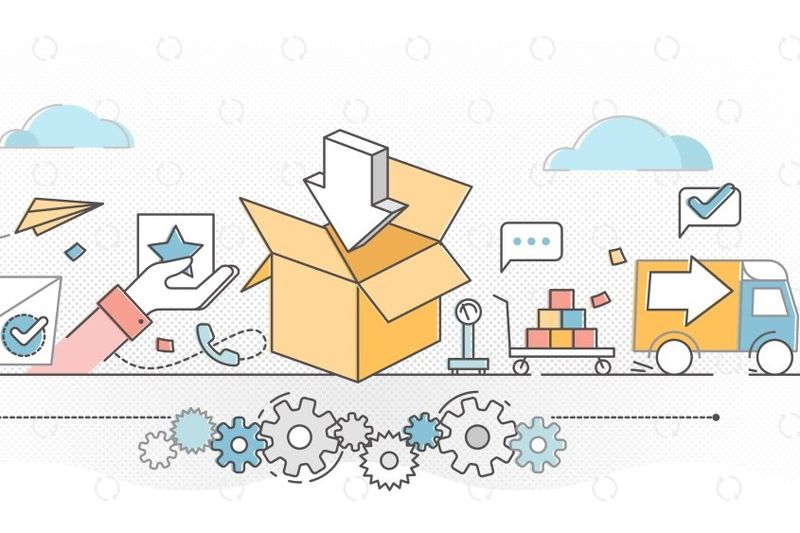
Common Fulfillment Challenges and How to Solve Them

Common Fulfillment Challenges and How to Solve Them

Even with a structured ecommerce fulfillment strategy, businesses often face operational challenges that impact costs, delivery speed, and customer satisfaction. Understanding these common issues - and how to solve them - helps optimize supply chain fulfillment and improve overall performance.

Inventory Mismanagement

Poor inventory control is one of the biggest fulfillment problems in ecommerce. Overselling, stockouts, or excess inventory can damage customer trust and increase storage costs.

Causes:

  • Lack of real-time inventory tracking
  • Manual stock updates
  • Poor demand forecasting

Solutions:

  • Use integrated inventory management systems connected to your fulfillment services provider
  • Implement demand forecasting based on historical sales data
  • Conduct regular inventory audits
  • Accurate inventory management improves order accuracy and ensures smoother ecommerce fulfillment operations.

Shipping Delays

Modern consumers expect fast delivery fulfillment benefits, and delays can quickly harm brand reputation.

Causes:

  • Poor warehouse location
  • Carrier disruptions
  • Inefficient pick-and-pack processes

Solutions:

  • Partner with strategically located fulfillment centers
  • Work with multiple shipping carriers to reduce risk
  • Automate order processing for faster turnaround
  • Reducing shipping delays strengthens the overall fulfillment customer experience and increases repeat purchases.

High Fulfillment Costs

Rising labor, storage, and shipping expenses can significantly reduce profit margins.

Causes:

  • Inefficient warehouse operations
  • High last-mile delivery costs
  • Poor packaging optimization

Solutions:

  • Negotiate bulk shipping rates through fulfillment services providers
  • Optimize packaging size and weight
  • Outsource to a 3PL for better cost efficiency at scale
  • Strategic cost control ensures that your supply chain fulfillment remains profitable as your business grows.

Return Handling Issues

Returns (reverse logistics) are inevitable in ecommerce, but poor handling can increase costs and frustrate customers.

Causes:

  • Slow processing times
  • Lack of clear return policies
  • Inventory not updated after returns

Solutions:

  • Establish a streamlined reverse logistics system
  • Automate return authorization workflows
  • Restock sellable items quickly to recover value

Efficient return management improves operational flow and enhances the overall ecommerce fulfillment strategy while protecting brand trust.

FAQs About Fulfillment

What is ecommerce fulfillment?

Ecommerce fulfillment is the complete process of receiving, storing, picking, packing, shipping, and handling returns for online orders. It ensures customers receive their purchases accurately and on time. Fulfillment connects inventory management, order processing, and delivery within the broader ecommerce supply chain.

What does a fulfillment center do?

A fulfillment center processes online orders quickly and efficiently. It receives inventory, stores products, picks and packs items when orders are placed, ships them to customers, and manages returns. Unlike warehouses, fulfillment centers focus on fast order turnaround for ecommerce businesses.

Is fulfillment the same as shipping?

No, fulfillment is not the same as shipping. Shipping is only one step in the fulfillment process. Fulfillment includes receiving inventory, storage, order processing, picking, packing, shipping, and returns management.

What is third-party fulfillment?

Third-party fulfillment (3PL fulfillment) is when a business outsources storage, order processing, and shipping to an external provider. These outsourced fulfillment services help companies reduce operational workload, lower shipping costs, and scale more efficiently.

Why is fulfillment important in ecommerce?

Fulfillment is important in ecommerce because it directly affects delivery speed, order accuracy, and customer satisfaction. Efficient fulfillment improves brand reputation, reduces operational stress, and gives businesses a competitive advantage in markets where fast delivery expectations are high.

Conclusion – Why Understanding Fulfillment Is Essential for Ecommerce Growth

Understanding what fulfillment is goes far beyond knowing how products are shipped. Fulfillment is the complete order fulfillment process - from receiving inventory and storing products to picking, packing, shipping, and handling returns. It is the operational engine that powers every successful ecommerce business.

When managed effectively, fulfillment services do more than move products. They improve customer satisfaction, protect brand reputation, and optimize costs across the supply chain. Fast delivery, accurate orders, and smooth returns are no longer competitive advantages - they are customer expectations.

Most importantly, fulfillment directly impacts ecommerce scalability. As order volume grows, businesses need systems, technology, and infrastructure that can handle seasonal spikes, multi-channel sales, and global expansion without operational breakdowns.

In today’s competitive digital market, fulfillment is not just logistics. It is a strategic growth component that determines how efficiently your business can scale, compete, and deliver exceptional customer experiences.


 

Written by
user_blog
Hanh HoangHanh Hoang is a marketing leader at Printway, with 4+ years of hands-on experience in Print-on-Demand, eCommerce marketing, and cross-border selling. She works closely with POD sellers to optimize product strategies, customer experience, and growth performance. If you’re looking for practical insights and proven strategies to run and scale a successful eCommerce business, explore Hanh’s articles on Printway’s blog, where real-world experience meets actionable guidance.