
Hanh Hoang
Sep 22 2026 •7 minutes
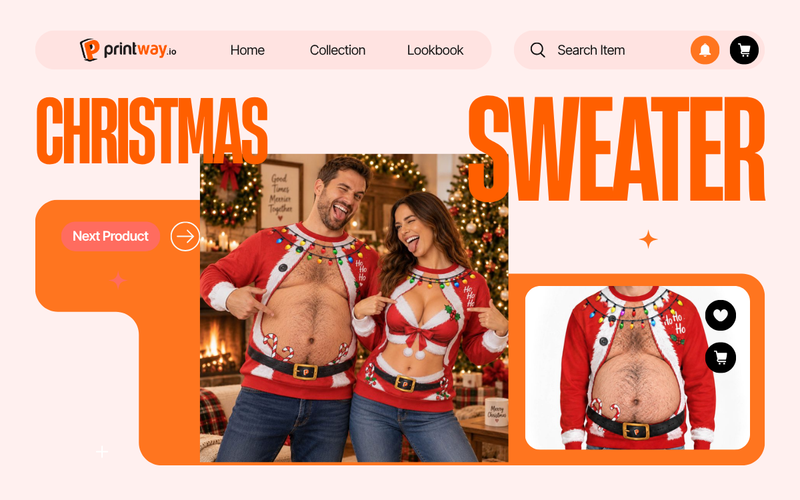
The ugly christmas sweater is a deliberately garish holiday knit - think clashing reds and greens, oversized reindeer, pom-poms, and sometimes working LED lights - worn ironically at parties and office celebrations throughout December. What began as a genuine 1950s fashion item is now a full-blown festive tradition with its own national day, contests, and a booming resale and print-on-demand market.
This guide covers where the trend came from, how to win your office contest, the two aesthetics buyers are chasing in 2026, how to style one without looking cluttered, and - for sellers - how to produce holiday apparel that ships on time.
The story starts with the "Jingle Bell sweaters" of the 1950s - festive knits decorated with holiday motifs that were, at the time, worn sincerely rather than ironically. They stayed a modest seasonal staple for decades. The turning point came in the 1980s and 1990s, when mass-produced novelty holiday sweaters flooded department stores and television. Bill Cosby's sweaters and Chevy Chase's Clark Griswold in National Lampoon's Christmas Vacation (1989) cemented the loud, over-decorated knit in pop-culture memory.
The ironic revival - wearing the sweater because it is tacky - is widely traced to the early 2000s, with organized "ugly Christmas sweater parties" spreading across North America from around 2002 onward. What was once accidental kitsch became an intentional celebration of it.
Why do shoppers now hunt for the "ugly," the funny, and the deliberately over-the-top instead of something polished? Because the ugly christmas sweater does something formal holiday wear cannot: it signals that you do not take yourself too seriously. In a season full of performative perfection, a garish sweater is an easy, low-stakes way to show personality, spark conversation, and join a shared in-joke. It is self-expression disguised as bad taste - and that is exactly the appeal.
National Ugly Christmas Sweater Day falls on the third Friday of December each year - December 18 in 2026. It has become a fixture of workplace culture: a low-pressure excuse to bond with colleagues, lighten the mood, and release end-of-year stress before the holidays.
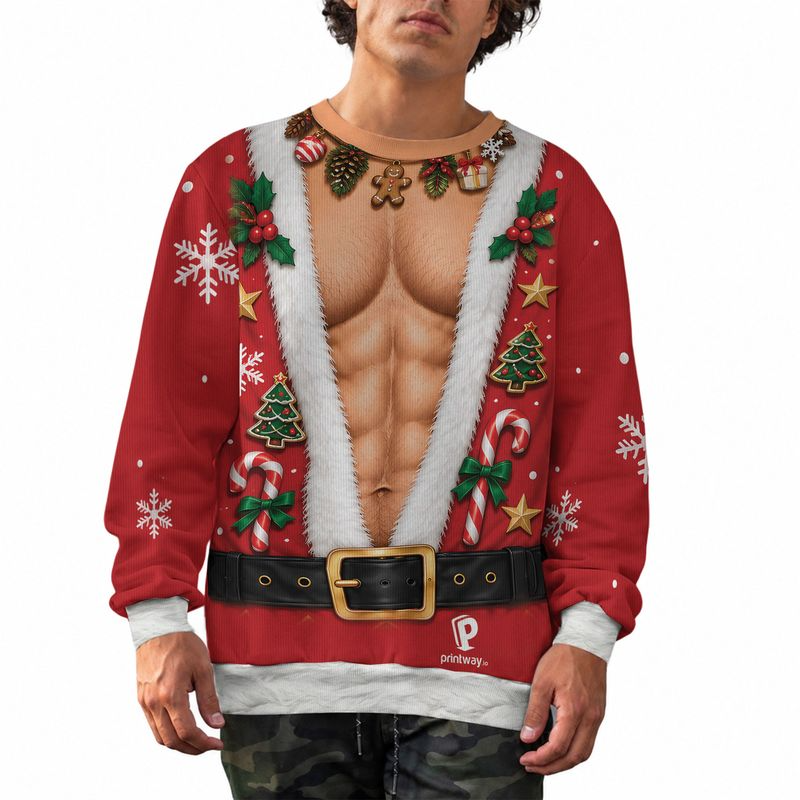
Most office contests award a "Tackiest Sweater" prize, and the winners tend to share a few traits. Judges reward, in rough order: sheer visual boldness (does it stop people across the room?), a clever or funny concept, three-dimensional or interactive elements, and effort that reads as intentional rather than store-bought.
Three themes reliably make an impression:
Two distinct styles dominate the ugly-sweater market, and buyers usually know which camp they are in.
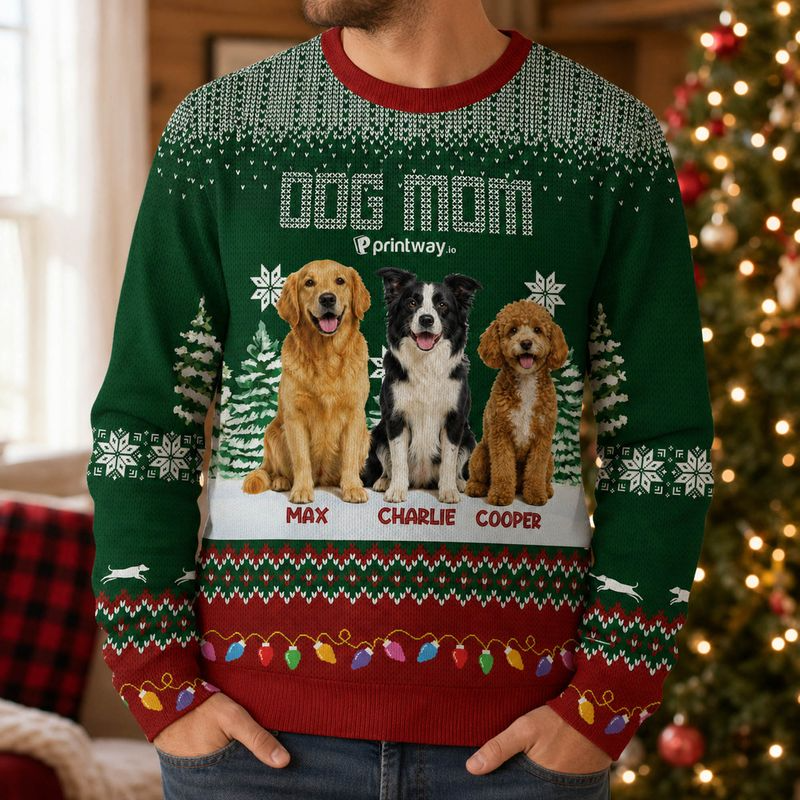
This is the loud, ironic end of the spectrum. Expect high-contrast palettes - hot red against harsh green, neon outlines - and satirical graphics that poke fun at office life, social-media culture, or the holidays themselves. The goal is to be seen and to get a laugh. These designs are single-season, high-impact pieces, and they thrive on novelty.
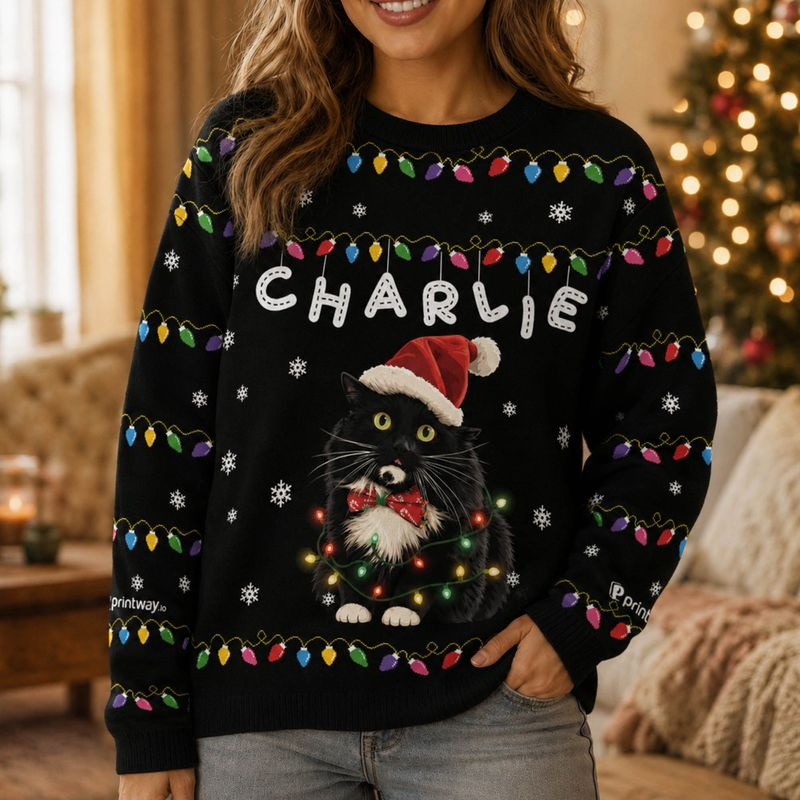
The nostalgic end leans into 70s, 80s, and 90s aesthetics: Nordic Fair Isle patterns, pixelated snowflakes, and symmetrical reindeer bands. The palette is warmer and more classic - Forest Green, Burgundy, Mustard, Heather Sand. Crucially, the retro ugly christmas sweater is more wearable: it photographs beautifully for family holiday cards, works for a walk around town, and can be worn as genuine winter knitwear well beyond December. For sellers, retro designs have a longer shelf life than pure novelty.
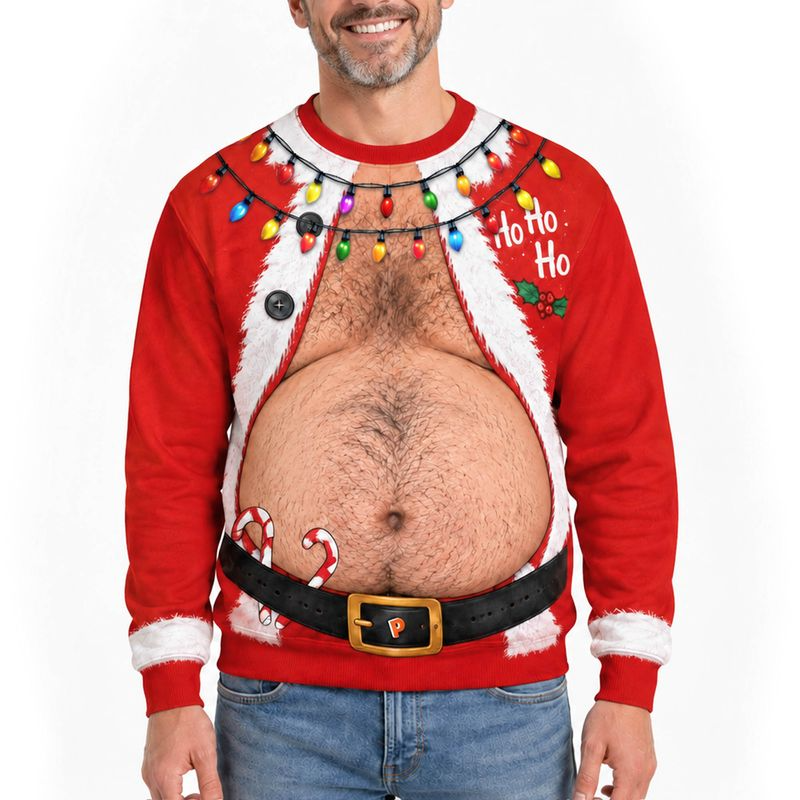
The mistake most people make is treating a loud sweater as an excuse to pile on more. The trick is to let the sweater be the statement and keep everything else quiet.
Printed holiday apparel lasts for years if you treat it right. Turn the garment inside out before washing to protect the print, wash in cold water on a gentle cycle, and skip the high-heat dryer - air-drying or low heat keeps both the graphic crisp and the fabric soft. Avoid ironing directly over the design. Done consistently, these habits keep a faux-knit sweatshirt looking sharp across many Christmases instead of cracking or fading after one.
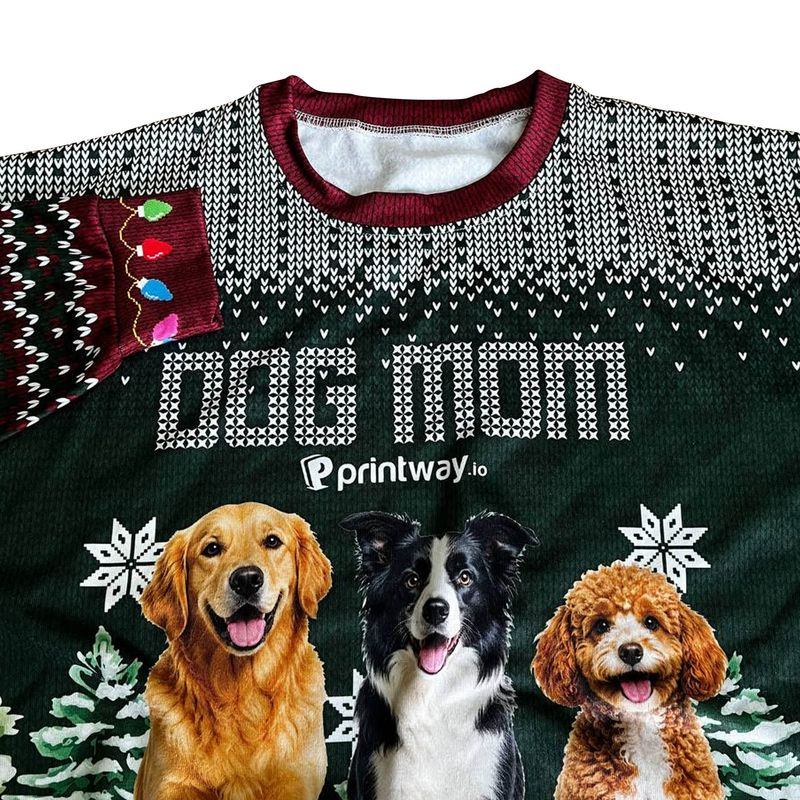
There are two audiences for a great ugly christmas sweater, and both have the same underlying need: a sweatshirt that keeps the classic knit look while staying comfortable to wear.
For shoppers and creators, the priority is a piece that captures that faux-knit aesthetic but feels light, soft, and breathable - not the heavy, itchy novelty knits of the past.
For fashion and print-on-demand sellers, Q4 lives or dies on two things: print accuracy and fulfillment speed. A holiday design only earns money if it prints crisply and reaches the customer before Christmas.
Printway is built for exactly this window:
If you sell holiday apparel, browse the full range in the Printway product catalog and sample your top design before you list it.
The ugly christmas sweater has traveled from sincere 1950s knitwear to ironic party staple to a genuine December tradition with its own national day. Whether you are dressing to win an office contest, choosing between hilariously tacky and nostalgic retro, or producing designs to sell, the same principle applies: let one bold piece do the talking, keep the rest simple, and - if you are selling - lock in print quality and shipping timing before the rush. Start your design early, and the season takes care of itself.
For delivery before December 25, 2026, order early: with standard production of 1–3 business days plus 7–9 days standard transit, place standard-shipping orders by roughly December 10–12 and express orders a few days later. Cut-off dates shift by destination and carrier, so confirm the current holiday shipping deadlines with Printway before promising dates to customers, and build a buffer into your store's stated cut-off.
Yes. All-over-print and DTG/DTF methods hold fine detail well, so Fair Isle bands, pixelated snowflakes, and small slogan text print crisply rather than blurring. For the sharpest result, supply high-resolution artwork (300 DPI at final print size) and order a physical sample to confirm colors and detail before publishing the listing.
Yes. Standard placement prints (DTG/DTF) put the design on a defined area such as the chest, while cut-and-sew all-over-print (AOP) covers the entire garment edge to edge for immersive, borderless designs. Printway's range includes both midweight and lightweight AOP sweatshirts as well as appliqué embroidered options, so you can match the method to the design.
Standard production runs 1–3 business days, though the busiest weeks of Q4 can extend that, which is why early ordering matters. Blank stockouts are more likely at peak, so confirm current production times and stock status with Printway during November and December, and diversify across product options where possible to reduce single-item risk.
Reputable POD fulfillers reprint or reship items that arrive misprinted, damaged, or lost in transit, typically at no cost to the seller when the fault is production or carrier-related. Confirm Printway's exact reprint/reship and compensation policy, claim windows, and required evidence (such as photos) before peak season, so you can resolve Q4 issues quickly and keep customer reviews intact.