
Print On Demand is one of the keywords that has been very popular in the MMO online money-making community for many years. As a fertile land for those who want to actively do business on e-commerce platforms with small capital, Print On Demand is being studied by many people.
There are many ways to maximize business performance from POD. However, even the most experienced sellers are not immune to mistakes in the process. Here are some common mistakes you should know to avoid making when selling Print On Demand.
One problem that many Print On Demand sellers often encounter is selling products with copyrighted designs or images. This may be accidental or intentional, but the end result still affects your sales or advertising account.
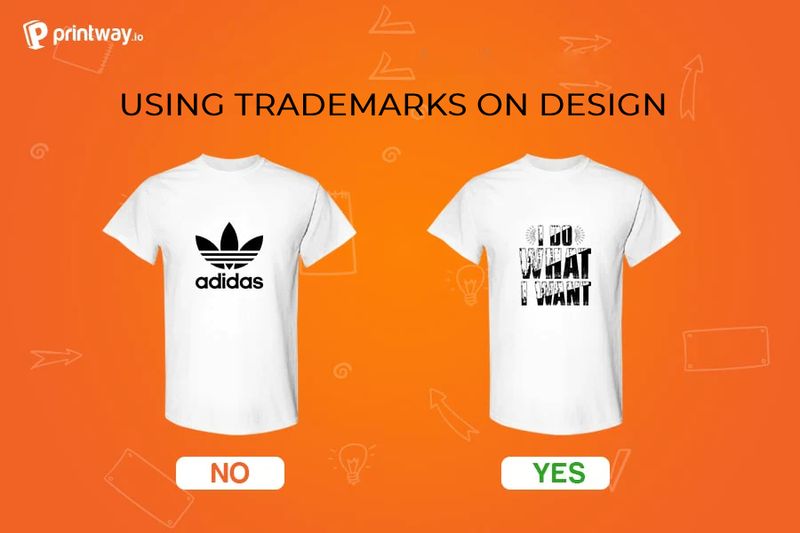
Some examples of the use of copyrighted image designs are: logos, logos of major brands such as Gucci, Adidas, Dior, etc. Characters in movies such as Mickey Mouse, Super Hero images, Witch,... of famous brands such as Disney, marvel,.... Or the quote, or slogan associated with the brand such as "Just Do It," "Think Different,".. Images of celebrities such as singers, actors, football players,...
Currently, major Print On Demand selling platforms such as Amazon, Etsy, and Redbubble strictly check the factors of images and copyright. To avoid being locked accounts, sellers should actively check images and product descriptions before listing the goods.
Some websites used to check trademarks:
> > > Top 15 Print-On-Demand Seller Support Tools
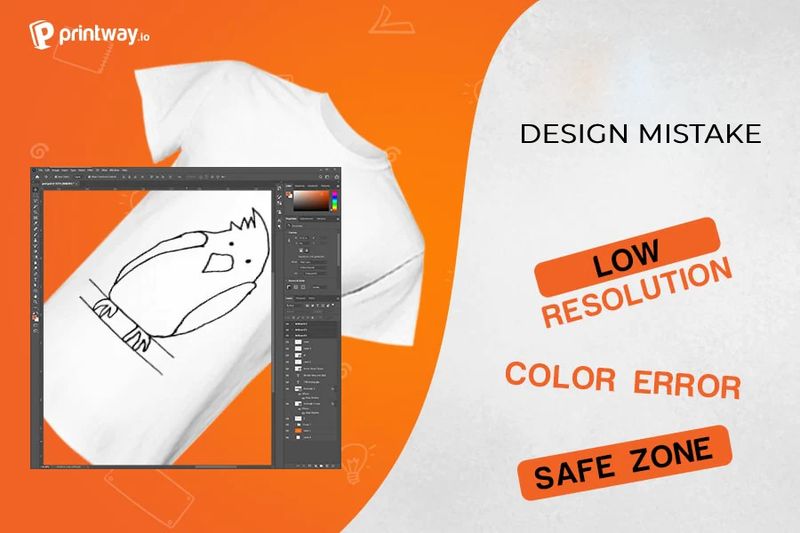
Design problems often occur with new sellers, especially newbies who are just learning and designing Print On Demand products in the store. Usually, fulfillment units will check the design and report errors when preparing to print. However, to minimize return rates and low reviews, sellers should carefully check the following factors when designing artwork for products.

Niche is a small segment of the market and usually focuses on a specific customer group. In the Print On Demand market with a large number of competitive sellers, niche is the difference for customers to consider and order products from the store.
For example, a seller might open a t-shirt store that specializes in the pet niche or a store that only sells Home Decor Print On Demand...
To choose a successful niche, sellers can pay attention to two factors:
Use relevant artwork: Create designs that are relevant to the niche you have chosen, meeting the needs of the customer s preferences.
Choose the relevant products: Choose the products that match what customers need. For example, In the Sports Apparel niche, sellers should sell products such as Yoga mats, Sports Shorts,...
There are many tools to find a niche such as Google Trend, Amazon's Best Selling Products, eBay Trending Products, Etsy's Best Selling Items, Notonthehighstreet, Trendhunter, Trendwatching and Facebook Audience Insight to help you find your niche.
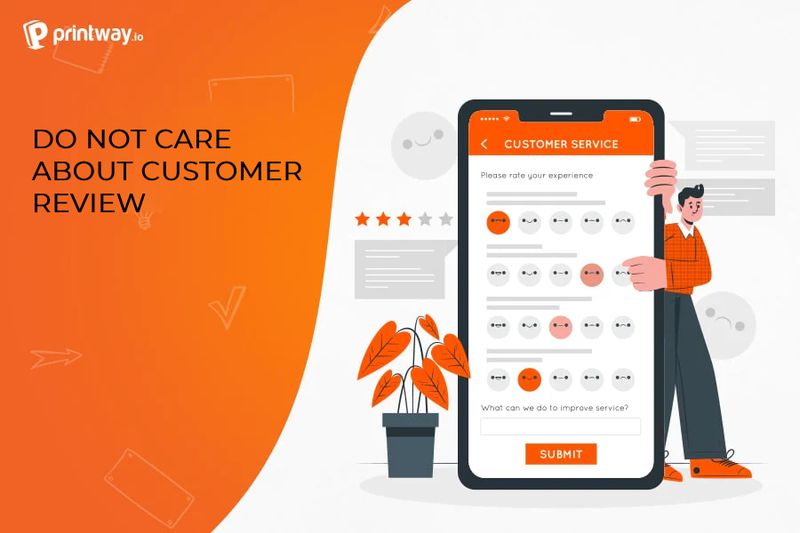
Customer evaluation is one of the important factors to convince new customers to buy and is also the basis for sellers to consider the quality of products from the unit they are fulfilling.
Research from Bright Local has shown that up to 92% of consumers are not interested and do not buy from stores with a lot of negative reviews. 79% said they trust reviews with videos, images or text.
According to research from eMarketer, 68% of internet users look at star ratings reviewed from users to make a decision whether or not to hit the shelves. 61% look at the number of reviews each retailer receives. Of those, more than half look at reviews made recently.
To encourage customers to leave reviews, sellers can apply a number of strategies such as using vouchers, sending emails, conducting surveys, and always responding to reviews whether positive or negative of customers...
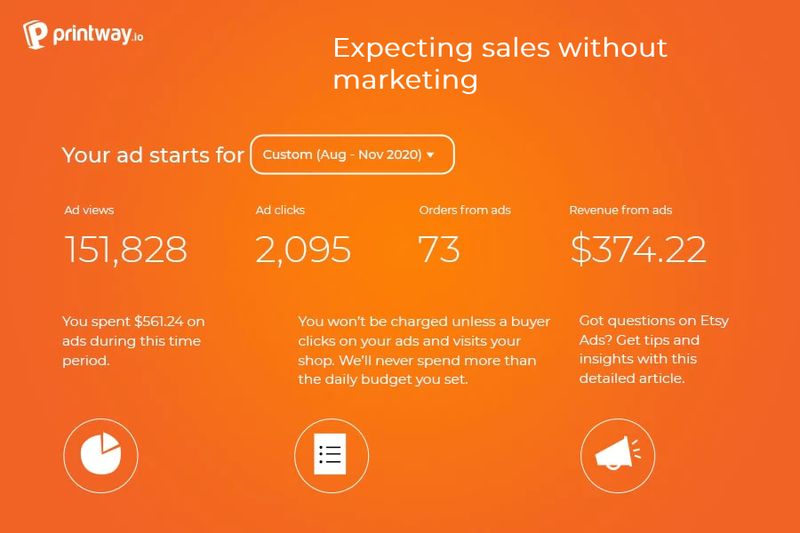
Marketing is an indispensable step in the Print On Demand sales process. A good example of marketing is running ads. With some platforms such as Etsy, when starting to search for products, the results of this e-commerce platform are mainly products that are running ads.
Without marketing, the seller s product will be difficult to reach potential customers.
Some ways to boost the marketing of your POD store are:
Search engine optimization is the process of improving the ranking of a product, store or website on search engines such as Google, Bing or Chrome...
Even if the traffic you get comes from paid advertising, SEO will still help you attract more customers by improving the quantity and quality of traffic from your website. SEO also brings natural traffic that sellers do not need to pay to own.
Customers often need to know the specific time in which they can receive their order. The seller needs to provide customers with an estimated time with a deviation of 2-3 days.
To help customers know the exact time from the time they place an order to the time of receipt, sellers should ask the fulfillment unit directly or track the shipping report on their system. Then update the information for customers.
If the seller is not honest with the customer about the shipping time, the possibility of customers underestimating, returning goods, canceling orders, or opening cases will be higher. Especially in the sale season, when there are many orders, most shipping units are overloaded, leading to a longer shipping time than usual. The seller needs to notify customers in advance and set up a longer shipping and product processing time.
As a newbie when selling POD, sellers will make one of the above mistakes. It is important to know how to handle and overcome to optimize and improve sales for the store! Hopefully, this article will help sellers understand more about common mistakes and fix them right in the sales process today!