
Hanh Hoang
Oct 23 2022 •7 minutes

In the world of e-commerce, two popular platforms are Shopify and BigCommerce. On one side is Shopify - the long-established platform that was born in 2004. On the other side is BigCommerce - the trading platform that was born later in 2009. Both platforms provide users with convenient store setups, especially for beginners. BigCommerce vs Shopify, which platform would be the right choice for a POD seller? Let's learn more about these two platforms, and analyze more details to help sellers more clearly in choosing and setting up stores.
In terms of features, both platforms provide an easy-to-use management interface, where you can add products, customize the look of your store, manage your entire warehouse, manage shipping, and process orders.
These two platforms also offer a suite of marketing features including email marketing, social networking integration, the ability to blog, and push out abandoned cart notifications.
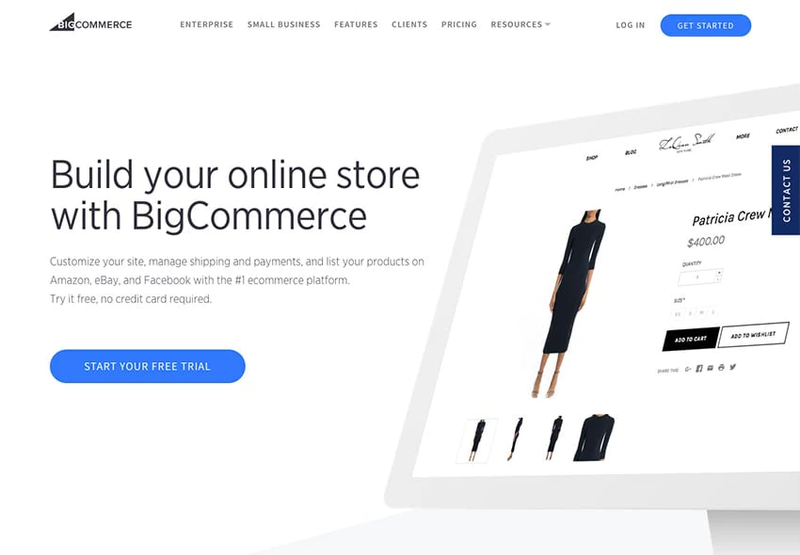
What is Big Commerce?
BigCommerce online store software that supports building e-commerce websites.
This is online store software, which integrates directly with Google Merchant Center, allowing users to promote their products on Google Shopping.
Some of the key features of BigCommerce include:
Let s take a look at the core features of BigCommerce:
When it comes to themes, BigCommerce currently offers 91 themes to choose from, both free and paid. Paid themes range from $145 $235 and they are divided into multiple categories that cater to a wide range of niches.
There are also many high-end third-party BigCommcere interfaces for our market, which can be used for different purposes. Comes with great features, helping you create an attractive storefront quickly.
The interface has been optimized for mobile devices and comes with a lot of customization options to refine the color scheme of your site, choose a different font, add your own logo, favorite icons, and more. You ll also find features like product quick views, mega menus, a carousel of featured products, and the ability to create wishlists.
BigCommerce comes with advanced SEO features designed to help drive traffic to your store. For newbies, you can change product names and descriptions, optimize product images, and enter specific keywords for each product. You can also take advantage of the ability to list products on the largest product comparison tools such as Nextag, PriceGrabber, Shopping.com, and...
On top of that, BigCommerce uses its content delivery network to optimize your store's load times. Other features that will help your search engine ranking include mobile-optimized interfaces, site-wide HTTPS, automated sitemaps, microdata, and more.
When it comes to accepting payments, BigCommerce integrates with over 60 payment gateways, including PayPal and Stripe. You can also aggregate offline payments and process them in multiple currencies and completely customize your shipping prices.
BigCommerce s main focus is to provide all the tools you need to promote your business. As such, it s conversion-oriented well and comes with impressive features to back up to their requirements.
The platform allows you to create various promotions and coupons to increase sales on top by allowing you to sell on various third-party marketplaces directly from your BigCommerce store.
Every BigCommerce customer will receive AdWords credits so you can start advertising your store with the ability to use available social networking applications and collect email addresses from your customers.
In terms of inventory management, you can easily assign different types to your products and handle all incoming orders. Thanks to the integration with third-party shipping providers like ShipperHQ, you can even manage your sourcing and product execution.
Finally, BigCommerce offers integration with other apps and software that will make managing the daily operations of your store easier. Some of these integrations include QuickBooks, Olark LiveChat, Optimizely, and more.
Customer service and support is another area where BigCommerce aims to provide all the tools and support you may need. The management panel provides easy access to their support portal, lots of online tutorials, and video tutorials. You ll also get access to your own expert advice, and 24 / 7 exchange, email, and phone support in the US.
BigCommerce currently offers 4 pricing plans
Their Standard plan costs $29.95 / month and comes with the following features:
According to their website, this package is best suited for businesses earning up to $50,000 in revenue per year.
The Plus Plan costs $79.95 / month and is aimed at businesses that earn up to $150,000 in revenue per year. It comes with features included in the Standard plan plus:
The Pro plan includes everything of the Plus plan and is suitable for businesses that earn up to $400,000 / year. It costs $245.95 and gives you the ability to activate Google Reviews, and add selective search features to your store.
Finally, the Enterprise plan is recommended for high-volume businesses and big brands. It requires you to call their support team to customize the price. This plan comes with an SSL certificate and IP address as well as priority support.
Now let s dive into Shopify and see how the platform compares to BigCommerce:
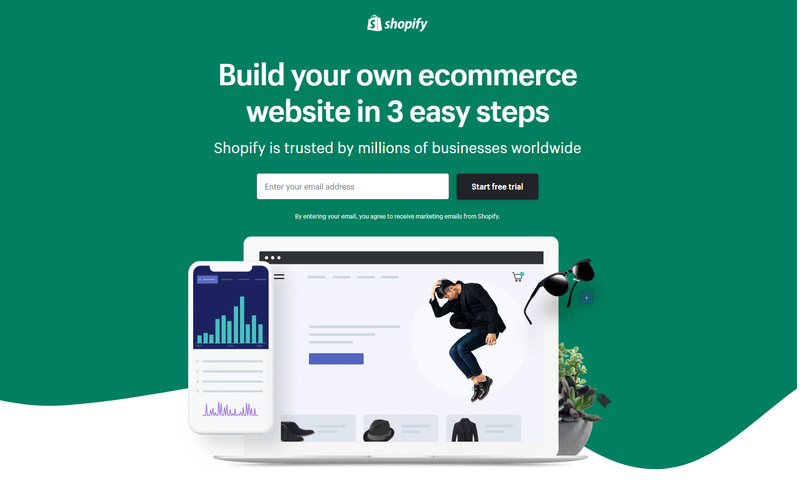
Learn about Shopify
Like BigCommerce, Shopify is a hosting platform that allows you to quickly create your online store.
One of Shopify s advantages is the ability to use their Shopify button, which is a widget similar to PayPal s buttons that you can embed into an existing website or into your company s Facebook page'
The main features of the Shopify online store platform include:
A large selection of themes is available from Shopify and a lot more professional Shopify themes are available on our ThemeForest marketplace with compatible designs.
Integration with more than 70 Shopify payment + payment gateways
Marketing and SEO features such as integration with email providers, social media, and the ability to sell on Facebook.
Supply Chain Management
Mobile app so you can manage your stores on the go
Shopify e-commerce online store features.
Shopify offers both free and paid themes that range from $ 100 USD to $180 USD. Similar to BigCommerce, those themes are organized by sector and can be customized easily.
When it comes to SEO, Shopify online store platform meets all the best SEO practices and automatically generates a map. XML for your store. You can also optimize product descriptions, titles, and images.
The platform uses dedicated servers that support page load times and includes an SSL certificate per plan, free of charge.
With over 70 payment gateways, that platform also gives you the option to use Shopify Payments, which allows you to accept credit card payments on your website without having to use a third-party service first.
Shopify's biggest selling point is its simple approach. You can set up an official online store easily, as well as take advantage of their Lite plan and Shopify Button if you're not ready to open your store yet.
You can offer discount codes and gift cards to your customers and boost your presence on social media while building your email list at the same time. The platform itself provides an intuitive dashboard and allows you to use its drag-and-drop website builder tool.
In terms of third-party app integration, Shopify offers integration with tools like QuickBooks, ShipStation, MailChimp, ZenDesk, and more. They also offer a set of free tools like Logo Maker, Invoice Generator, Business Card Maker, Profit Margin Calculator, and more.
Shopify comes with detailed documentation and a strong community to support as well as a 24 / 7 support team.
Although BigCommerce is younger than Shopify, the platform comes with a lot of features. Here are the biggest pros and cons:
Shopify has the following pros and cons:
All things considered, both Shopify and BigCommerce have proven themselves to be the leading e-commerce platforms. While BigCommerce offers more features with the lower product pricing plans that Shopify offers, both of which come with a robust set of features, BigCommerce also offers better reporting with a more absorbent pricing plan and no additional transaction fees.
Shopify, on the other hand, has more themes to choose from and offers fun free tools aimed at small businesses that are just getting online to start creating their own brand. You can also manage your store from your phone or from a tablet, which is useful when you're working on the go.
The final choice depends entirely on your preferences and the overall goals you have for your online store. If you are interested in growing your store and promoting it to appear on as many channels as possible, try BigCommerce
If you're just getting started and want to open up a well-designed store that you can manage anywhere, check out e-commerce interfaces for Shopify.
If you are a Print On Demand seller and have found the right niche, do not forget to refer to the list of Print On Demand products at Printway and become a seller of Printway today!