
Hanh Hoang
May 06 2026 •9 minutes

In the hyper-competitive world of eCommerce and Print on Demand, simply having a good product isn't enough anymore. Every day, thousands of similar items flood platforms like Etsy, Amazon, and Shopify, making it harder for sellers to capture attention. This is exactly where your usp unique selling point becomes your secret weapon.
A powerful usp unique selling point helps your brand cut through the noise, connect with the right customers, and skyrocket conversions. In this guide, we'll dive deep into what is a unique selling point, explore what is a unique selling point in business, and show you exactly how to create one that works for Print on Demand in 2026
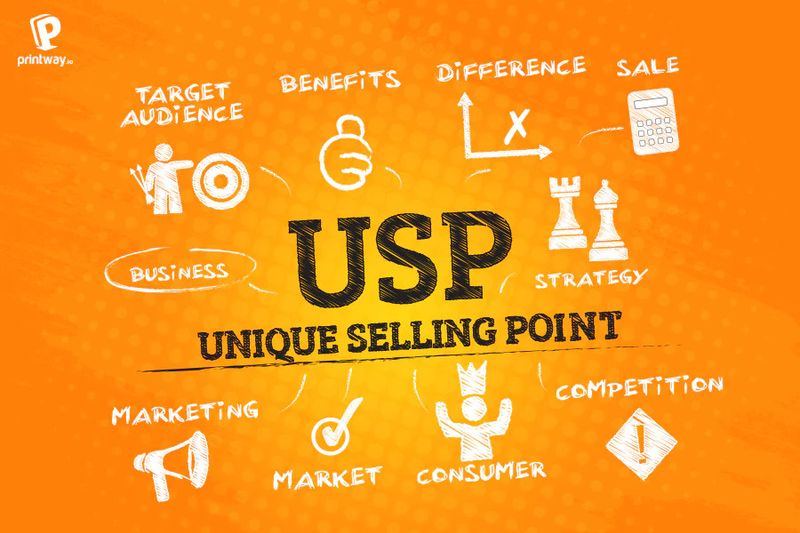
What is a unique selling point is the one fundamental question every successful eCommerce seller must answer before launching any marketing campaign. At its core, a unique selling point-or USP-is the single, specific factor that sets your product or brand apart from every competitor and gives customers a compelling reason to choose you over everyone else.
Think of your usp unique selling point as the clear, concise answer to the customer's burning question: "Why should I buy from you and not the next seller?" It's not about being vaguely different; it's about being meaningfully better in a way that resonates with your target audience.
A truly effective USP must meet three critical criteria.
Consider this real-world example from Print on Demand:
Notice how each USP:
What makes this USP work so well is its laser focus. It doesn't try to appeal to everyone; it speaks directly to a niche audience who will feel seen and understood. In 2026's crowded marketplaces, this precision is what turns browsers into buyers.
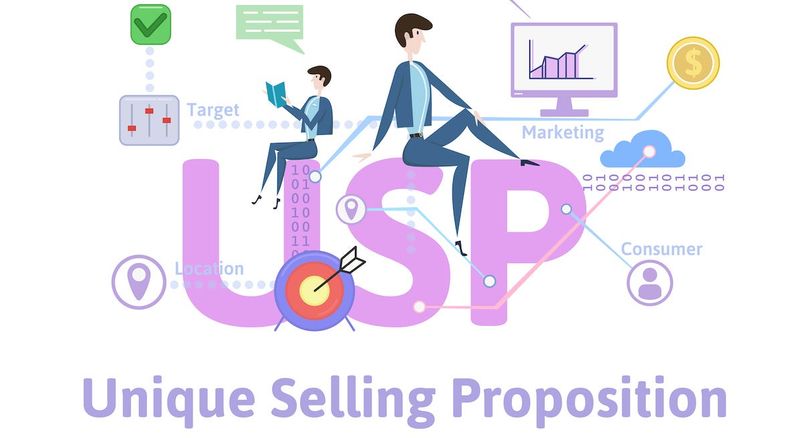
Expanding beyond individual products, what is a unique selling point in business refers to the foundational differentiator that defines your entire brand's position in the market. It's not just a tagline or a product feature-it's the North Star that guides every aspect of your operations, from messaging and advertising to customer service and product development.
In practical terms, your usp unique selling point shapes how you communicate with customers, how your branding looks and feels, and even how you structure your marketing funnels. It's the consistent thread that runs through your product descriptions, social media posts, email campaigns, and ad copy.
A common mistake many business owners make is confusing USP with general branding.
Take this progression as an example:
Suddenly, you've created a brand identity that customers can rally behind, share on social media, and recommend to friends who fit that exact profile.
A well-defined usp unique selling point isn't just nice to have-it's essential for survival and growth in competitive eCommerce spaces. Let's break down exactly why investing time in crafting yours will transform your business performance.
Beyond immediate sales, a powerful USP fosters long-term customer retention by creating emotional bonds. People don't just buy products anymore-they buy into identities, communities, and meanings. When your usp unique selling point resonates on that level, customers become advocates who return for more and spread the word organically.
Finally, it streamlines your entire marketing operation. With a crystal-clear USP, your ad creatives perform better, your content stays consistent across channels, and your team can execute campaigns with confidence. In essence, one strong USP can multiply the efficiency of every dollar you spend on growth.
Creating a usp unique selling point that actually moves the needle requires a systematic approach, not random brainstorming. Follow these five proven steps to build one tailored for your eCommerce or Print on Demand business.
Step 1: Understand your audience deeply
Step 2: Understand your audience deeply
Step 3: Identify your unique angle
Step 4: Focus on benefits
Step 5: Test and optimize
In Print on Demand and eCommerce, where designs can be copied overnight and products commoditized quickly, a razor-sharp usp unique selling point is non-negotiable. Success hinges on positioning that goes beyond the physical item to create perceived exclusivity and emotional pull.
Niche-focused USP
Personalization USP
Emotional USP
Fulfillment USP
Content-driven USP
Best-performing formula
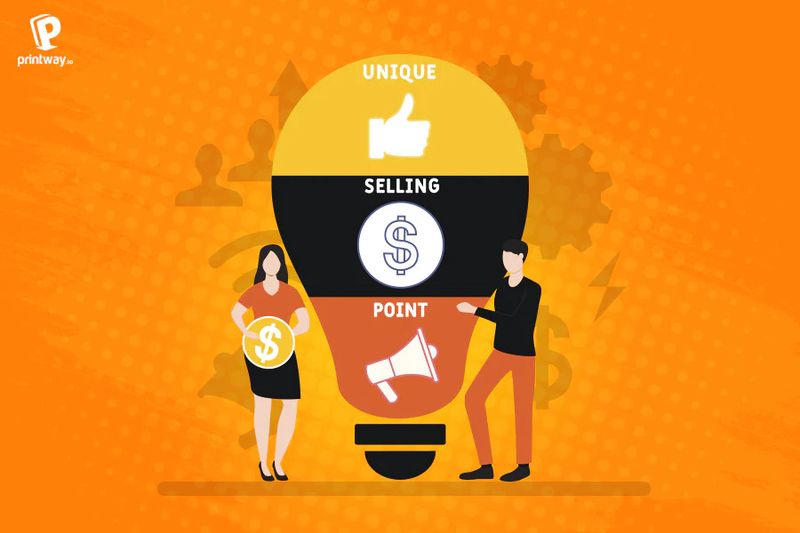
If you can not find a USP for your product or can not imagine the specific USP, the seller can refer to some examples of USP immediately below!
Popcorn is an easy dish to buy at any convenience store or mall. In order to make its products stand out from other brands, Pipcorn focuses on the elements that make its products the top choice for health-conscious customers.
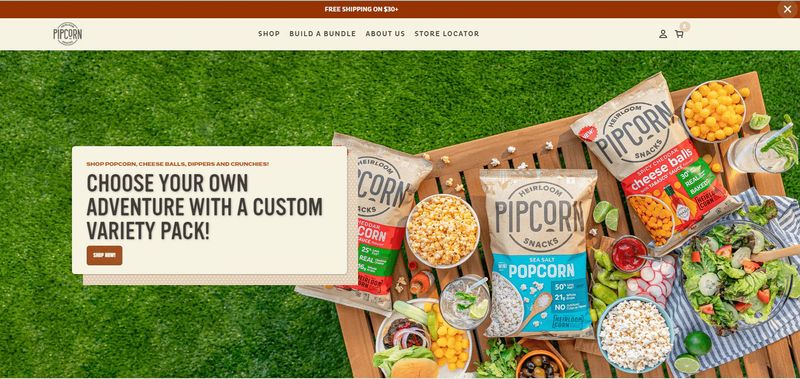
Phrases expressing the USP of the product are "all-natural," "whole grain," and "small batches" printed on the product bag as well as highlighted on the brand's website. In addition, Pipcorn highlights other health benefits of the product such as gluten-free, GMO-free, and antioxidant. In general, the brand provides customers with an overview of the benefits that the product brings to health, one of the "critical" factors for them to decide to buy the product.
Bee's Wrap is an e-commerce business that produces food wrap film made from organic cotton and beeswax. Bee's Wrap focuses on one of the most pressing issues and concerns globally, which is plastic waste.
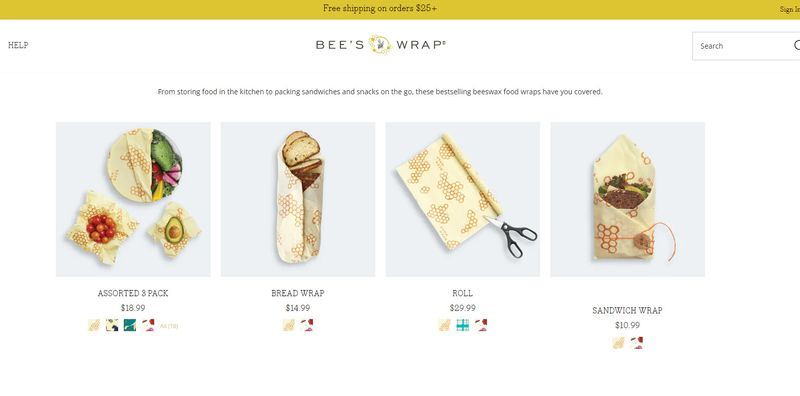
The USP they focus on harnessing is to promote Bee's Wrap as an alternative to disposable plastic food wrap films and as a long-term solution to environmental pollution problems.
Taylor Stitch is a fashion brand that uses crowdfunding to design products. In essence, crowdfunding is not a USP. There have been many successful brands with the method. However, the way Taylor Stitch uses crowdfunding has made them stand out.
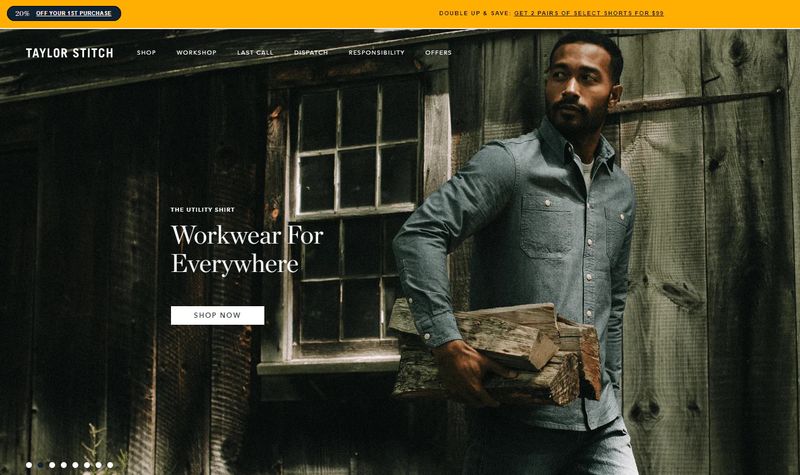
“We design new products. You crowd-fund them and save 20%. Our planet takes on less waste. We deliver them when they’re seasonally appropriate. Everybody wins.”
This USP articulates why customers benefit from crowdfunding. You can save money, help the environment, and get clothes when needed. This USP focuses on highlighting the social benefits of this business model, making it a brand that everyone wants to support.
Taylor Stitch shows an example of how to turn a familiar approach into a unique marketing tactic.
What is a unique selling point (USP)?
>> A unique selling point is the specific benefit or feature that makes your product stand out from competitors, giving customers a clear reason to choose you.
What is a unique selling point in business?
>> It's the core differentiator that positions your entire brand in the market, influencing messaging, strategy, and customer loyalty.
Why is USP important in eCommerce?
>> In crowded online marketplaces, a strong USP cuts through competition, boosts conversions, and attracts ideal customers.
Can a USP change over time?
>> Absolutely-regular testing and market shifts demand evolution to stay relevant.
What is a good USP example for POD sellers?
>> "Custom pet portraits on canvas" or "tees for introverts with fast US shipping."
Understanding what is a unique selling point and how to apply it effectively allows you to move beyond price competition and build real differentiation. More importantly, knowing what is a unique selling point in business helps you create a consistent strategy that influences everything-from product development to marketing and customer experience.
The most successful sellers in 2026 are not trying to appeal to everyone. Instead, they focus on:
Whether it’s through niche targeting, personalization, emotional storytelling, or a powerful Fulfillment USP like fast US-based shipping, the goal remains the same: Give customers a reason to choose you instantly.
Ultimately, your usp unique selling point is not just a marketing message-it’s your business advantage. When done right, it helps you attract the right customers, increase conversions, and build a brand that stands out in even the most competitive markets.